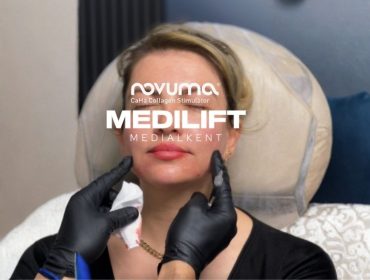
What Does Chemical Peeling Do?
The main purpose of chemical peeling is to accelerate the skin’s self-renewal process. After the application, the skin is purified from damaged and aged cells and gains a healthier structure.
The main benefits of chemical peeling application are as follows:
- Reduces the appearance of skin spots
- Lightens acne and pimple scars
- Evens out skin tone
- Reduces fine wrinkles and dull appearance
- Helps pores appear tighter
- Gives the skin brightness and vitality
With regular applications, a noticeable improvement in skin quality is observed.
In Which Skin Problems Is Chemical Peeling Applied?
Chemical peeling is a versatile application and can be planned for different skin problems. The most commonly preferred conditions are:
- Sun spots
- Melasma (pregnancy spots)
- Acne and acne scars
- Blackheads and pore problems
- Uneven skin tone
- Fine lines and wrinkles
- Dull and lifeless skin appearance
The peeling content used and the depth of application differ for each skin problem. Therefore, the procedure must be performed after a specialist evaluation.
Types of Chemical Peeling
Chemical peeling applications are divided into three main groups according to their depth of effect on the skin.
Superficial Chemical Peeling
It affects the uppermost layer of the skin. It is preferred for mild spots, acne problems, and skin revitalization. The recovery time is quite short and a quick return to daily life is possible.
Medium Depth Chemical Peeling
It affects up to the middle layer of the skin. It is used for more pronounced spots, fine wrinkles, and acne scars. Mild peeling lasting a few days may be observed after the application.
Deep Chemical Peeling
It is a strong application that affects the lower layers of the skin. It is preferred for deep wrinkles and advanced skin damage. The recovery time is longer and it must be performed under physician supervision.
How is Chemical Peeling Applied?
Before the chemical peeling procedure, the skin is evaluated in detail. The most appropriate peeling content is determined in line with the skin type, existing problems, and expectations.
The application stages are generally as follows:
- The skin is cleaned and degreased
- The selected chemical solution is applied to the skin in a controlled manner
- It is left to act for a certain period
- The solution is neutralized and cleaned from the skin
- Soothing and protective products are applied
The procedure duration varies between 15–30 minutes on average.
Does Chemical Peeling Hurt?
During chemical peeling, a mild burning, stinging, or warming sensation may occur. These sensations vary depending on the type of peeling used and are short-lived.
Discomfort is minimal in superficial peelings. In medium and deep peelings, the burning sensation may be more noticeable, but since the procedure time is short, it is tolerable.
What Happens to the Skin After Chemical Peeling?
After the application, redness, sensitivity, and mild peeling may occur on the skin. This is completely normal and part of the skin’s renewal process.
The process after chemical peeling progresses as follows:
- Redness and sensitivity in the first days
- Peeling within 2–5 days
- A brighter and smoother skin appearance within 1 week
The duration and severity of peeling vary depending on the depth of the applied peeling.
What Should Be Considered After Chemical Peeling?
Protecting the skin after the application is of great importance for the results to be achieved.
Main points to consider:
- The skin must be protected from the sun
- High-protection sunscreen should be used regularly
- The skin should never be interfered with while peeling
- Makeup should be avoided in the first days
- Care products recommended by the specialist should be used
When these rules are followed, the recovery process progresses smoothly.
How Many Sessions of Chemical Peeling Are Required?
The number of sessions varies depending on the type and severity of the skin problem. In superficial peelings, 3–6 sessions are generally sufficient, while in medium-depth peelings, 1–3 sessions may be enough.
Session intervals are usually planned as 2–4 weeks. A personalized treatment plan is created after specialist evaluation.
Who Is Not Suitable for Chemical Peeling?
As with every aesthetic procedure, chemical peeling is not applied in some cases. In the following situations, the procedure may be postponed or different treatments may be preferred:
- Those with active skin infection
- Those who are pregnant
- Those with open wounds or serious skin diseases
- Individuals with extremely sensitive skin
Suitability must be evaluated by a specialist physician.
Is Chemical Peeling a Permanent Procedure?
Chemical peeling provides skin renewal, but since aging and environmental factors continue, its effects may decrease over time. With regular care and repeat sessions when necessary, the obtained results can be maintained for a long time.
How Are Chemical Peeling Prices Determined?
Chemical peeling prices may vary depending on the type of solution used, the number of sessions, the size of the treatment area, and the level of expertise of the clinic. A specialist evaluation must be performed for exact pricing information.
A Healthier Skin is Possible with Chemical Peeling
When properly planned and applied by experts, chemical peeling is a safe medical aesthetic method that significantly improves skin quality. Chemical peeling is an effective option for a brighter, smoother, and more even-toned skin appearance.