Why Do Pigmentation Problems Require Specialized Laser Systems?
Skin spots and pigmentation disorders are not only superficial color changes. Pigment can be located in different layers of the skin, and not every pigment type responds to laser energy in the same way.
Pigment sources may include:
- Melanin accumulation
- Sun damage
- Hormonal changes
- Tattoo pigments
- Post-traumatic color changes
Q-Switch and Picolaser systems have the ability to precisely target these different types of pigments.
Energy Distribution Logic of Q-Switch Laser
Q-Switch laser systems produce very short laser pulses at the nanosecond level. These short but high-energy pulses break down pigment particles with a shockwave effect.
Thanks to this mechanism:
- The pigment is not heated, it is fragmented
- Surrounding tissue is preserved
- The risk of side effects is reduced
- A controlled healing process begins in the skin
Q-Switch lasers have been safely used for many years, especially in traditional tattoo removal and pronounced pigmentation.
Next-Generation Approach Brought by Picolaser Technology
Picolaser systems go one step beyond Q-Switch technology by reducing the pulse duration to the picosecond level. This allows the laser energy to interact with the target pigment in a much shorter time.
In this way:
- The pigment is broken into smaller particles
- The body’s elimination process accelerates
- Clearer results are achieved with fewer sessions
- Thermal damage is minimized
Picolaser is an advanced option especially for sensitive skin and resistant spots.
Differences Between Q-Switch and Picolaser
Although these two systems are used for similar purposes, their clinical approaches differ. While Q-Switch offers a more powerful and established technology, Picolaser provides faster and more refined results.
In general:
- Q-Switch: Strong effect on deep and pronounced pigmentation
- Picolaser: More controlled approach for sensitive, resistant, and recurring spots
Which system will be preferred is determined according to the type of spot and the characteristics of the skin.
In Which Skin Problems Do These Lasers Stand Out?
Q-Switch and Picolaser applications have versatile areas of use.
The most commonly preferred conditions are:
- Sun spots
- Freckles
- Melasma (pregnancy spots)
- Post-inflammatory hyperpigmentation
- Tattoo removal
- Uneven skin tone
These applications do not peel the skin; they target the pigment.
Is the Effect on the Skin Surface or Deep?
One of the most important advantages of these lasers is their ability to target pigment in the lower layers of the skin without burning the upper layers. Thus, peeling or open wounds do not occur on the skin surface.
Thanks to this approach:
- A quick return to social life is possible
- The risk of infection is low
- The healing process is more comfortable
This feature makes laser application suitable for all seasons.
How Is the Pre-Treatment Evaluation Process Handled?
Incorrect evaluation is one of the most common causes of failure in pigmentation treatments. Therefore, the skin must be thoroughly analyzed before laser application.
During the evaluation process:
- The depth of the pigment is determined
- The type of spot is identified
- Skin tone and sensitivity are assessed
- The most appropriate laser technology is selected
This stage is critical in terms of both effectiveness and safety.
How Does the Treatment Session Proceed?
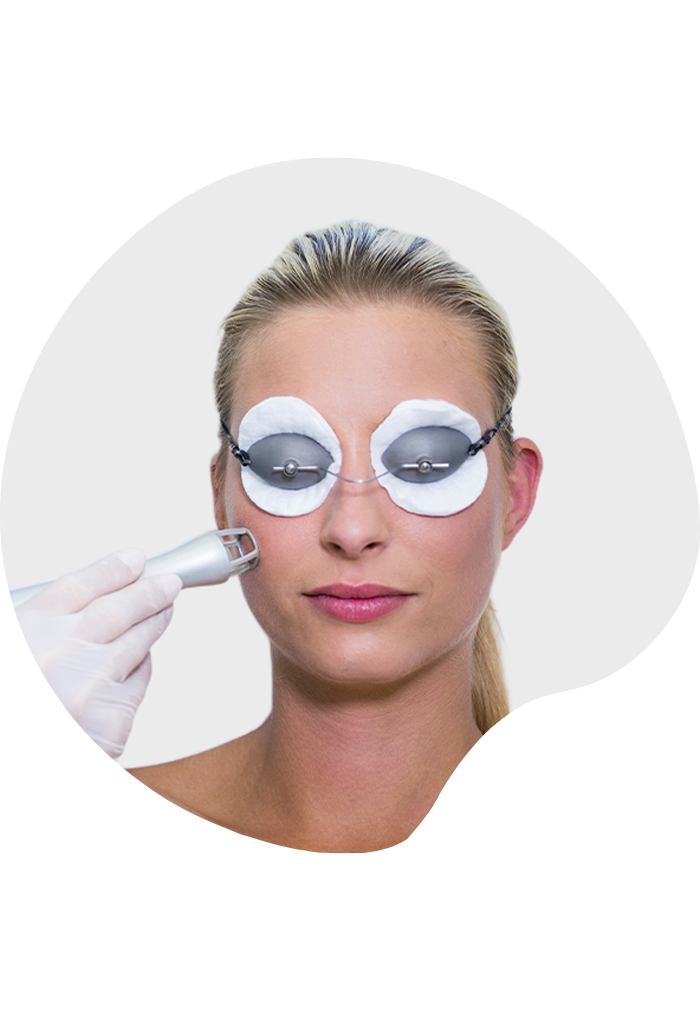
Before the application, the skin is cleansed and, if necessary, a local anesthetic cream is applied. The laser handpiece is applied to the targeted areas in a controlled manner.
Session duration:
- On average 10–30 minutes
- Does not require anesthesia
- Does not involve surgical incisions or stitches
Mild redness may occur on the skin after the session.
How Is the Skin Reaction After the Application Interpreted?
After Q-Switch and Picolaser, darkening of the pigment is usually observed on the skin. This is a desired reaction indicating that the pigment has been broken down.
Then:
- The pigment forms a crust or lightens
- Skin tone becomes more even over time
- The appearance of spots decreases
This process may vary from a few days to a few weeks.
How Many Sessions Are Required and How Are Session Intervals Planned?
The number of sessions varies depending on the type and depth of the spot.
In general:
- Superficial spots: 1–3 sessions
- Deep and resistant pigments: 4–6 sessions
Usually, 3–6 weeks are left between sessions.
Are the Results Permanent?
Pigment broken down by Q-Switch and Picolaser is eliminated from the body and disappears permanently. However, new pigment formation is possible.
Therefore:
- Sun protection
- Skin care
- Hormonal balance
are very important for maintaining the results.
How Does Pricing Vary in Q-Switch and Picolaser Treatments?
Prices may vary depending on the laser technology used, the size of the treatment area, the number of sessions, and the level of expertise of the clinic. Exact pricing is determined after a personal evaluation.